Chinese IPPs Demand Rs. 475 Billion as Pakistan Faces Mounting Energy Debt
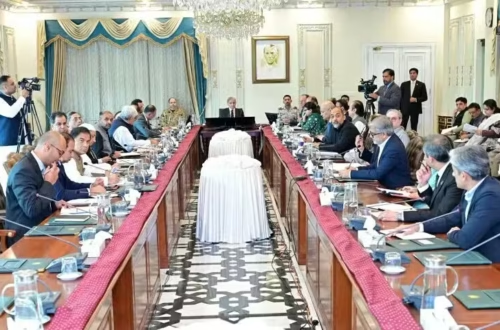
With Prime Minister Shehbaz Sharif preparing for his upcoming visit to China, Chinese Independent Power Producers (IPPs) operating under the China-Pakistan Economic Corridor (CPEC) have stepped up pressure on Islamabad to clear long-overdue payments that have now surged to Rs. 475 billion.
Rising Tensions Ahead of PM’s China Trip
According to reports, the heads of Chinese power companies have formally written letters to senior government officials, voicing their frustration over the massive backlog of unpaid dues. Copies of these letters have also been shared with the Chinese Ambassador to Pakistan, who is actively pursuing the matter with top-level Pakistani authorities ahead of the Prime Minister’s crucial meetings with Beijing’s leadership.
Port Qasim Power Company Raises Alarm
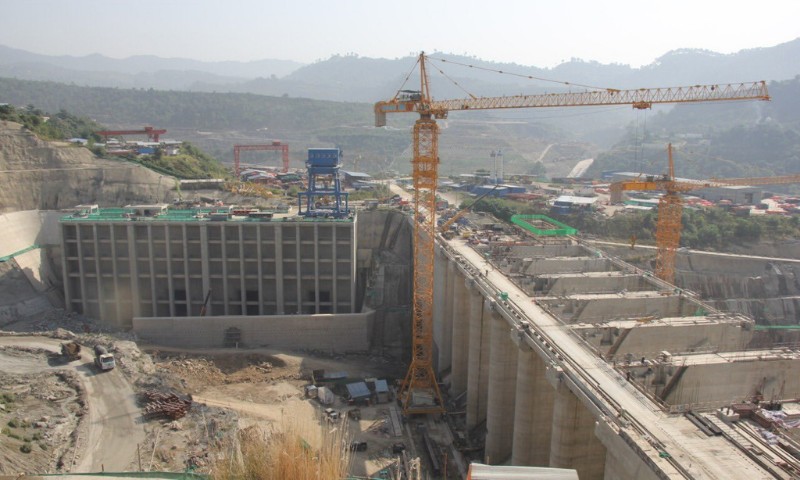
One of the strongest warnings came from Wang Dongfang, CEO of Port Qasim Electric Power Company (PQEPC), which runs the 1,320 MW Port Qasim Coal-Fired Power Plant — a key CPEC project that plays a critical role in Pakistan’s energy supply.
In his letter, Wang revealed that the company’s outstanding dues have escalated to Rs. 81 billion ($286.9 million) as of July 31, 2025, with payment delays stretching over six months. He cautioned that without urgent action, the crisis could spiral further.
Critical Backlog Threatens Energy Security
Wang acknowledged the government’s past efforts in arranging partial payments but warned that the backlog has now reached a dangerous level. He stressed that international shareholders and sponsors, including those from China and Qatar, are increasingly dissatisfied and demanding immediate solutions.
Citing the Power Purchase Agreement (PPA), Wang reminded authorities that PQEPC reserves the right to suspend operations without penalties if payments are not made — a step that could severely impact Pakistan’s already fragile power sector.
“Suspending plant operations would create a lose-lose situation for both Pakistan and the investors,” Wang cautioned, urging timely payments to ensure uninterrupted electricity generation and to safeguard Pakistan’s international financial commitments.
PQEPC’s Competitive Advantage in Pakistan’s Energy Mix
The CEO also pointed out that PQEPC’s Energy Purchase Price (EPP) tariff is more cost-efficient compared to oil- and RLNG-based power plants, making it a vital part of Pakistan’s power generation system. A disruption in its operations, he warned, would not only undermine energy security but also further strain the economy.